


company advantage
First-class Manufacturing Technology
We create extrusion solutions that can be integrated with factory owners and enable them to develop custom products from scratch. Our extrusion technology facilitates easy integration and maintenance at lower costs and forms a strong technical support system for customers.
Rich Market Experience
Our products have been exported to more than 80 countries including the United States, Poland, Canada, Mexico, and Brazil. Each of our members is professional and experienced and can serve our clients online or offline.
Variety of Products
We can provide customers with many types of production lines and equipment, such as snack food production lines, pet food production lines, food puffing machines, instant noodle production lines, artificial rice production lines, bread crumb production lines, popcorn production lines, biscuit production lines, etc.
Powerful Customization Capabilities
We have experienced managers, excellent engineers and well-trained technical workers. These personnel ensure that we can provide individual equipment or complete factory layouts and production lines to meet our customers' customized needs. We have completed many large-scale projects such as 2-ton pet food production line.
What is Non Fried Snacks Machine
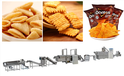
A non-fried snacks machine is an automated piece of equipment designed to produce snack foods without the need for deep frying. These machines are used to create a wide variety of snacks, including but not limited to puffed corn, rice crisps, extruded snacks, and even baked goods. The process typically involves heating and expanding ingredients under pressure, then releasing them to cool and solidify into a crunchy texture.The key benefits of using a non-fried snacks machine include reduced oil consumption, lower fat content in the final product, and potentially healthier snack options for consumers. These machines are equipped with various mechanisms such as hoppers for raw materials, extruders for shaping the snacks, cutters for sizing, and ovens or dryers for cooking.




Product Categories
Latest Products



Benefits of Non Fried Snacks Machine
Healthier Products
Non-fried snacks have a significantly lower fat content than their deep-fried counterparts. This reduction in fat can lead to healthier snacking options for consumers, potentially reducing the risk of obesity and related health issues.
Reduced Oil Consumption
Since non-fried machines do not require immersion in oil, there is a considerable decrease in oil usage. This leads to cost savings for producers and reduces the environmental impact associated with oil disposal and recycling.
Energy Efficiency
Non-fried snack machines typically operate at lower temperatures and often utilize more efficient cooking methods, such as extrusion or baking. This results in reduced energy consumption and operating costs.
Environmental Impact
With less oil consumption and potentially lower greenhouse gas emissions due to energy efficiency, non-fried snack machines contribute to more sustainable food production practices.
Product Versatility
These machines can produce a wide array of snack shapes, sizes, and textures, allowing for greater variety in product offerings. They can also easily be adapted to accommodate different ingredients, including gluten-free, grain-free, or vegetable-based alternatives.
Safety
Eliminating the need for hot oil reduces the risk of workplace accidents and injuries associated with deep frying, such as burns from splattering oil.Automated non-fried snack machines ensure consistent production with minimal variability in the final product, which is essential for maintaining quality control across large batches.
What are the Applications of Non Fried Snacks Machine
Popcorn
Specialized non-fried machines are used to pop corn kernels into fluffy, edible popcorn without the need for oil.Producing vegetable crisps from dehydrated or baked slices of sweet potatoes, beetroot, and other vegetables is another application of non-fried snack machines.
Protein Bars and Health Foods
Machines capable of mixing and forming doughs can be used to produce protein bars, energy balls, and other health food snacks that are often baked or air-cooled instead of fried.
Puffed Grain Snacks
They are commonly used to produce puffed rice, corn, wheat, and other grains. The high-temperature, short-time (HTST) cooking process expands the grains into light and airy snacks.
Extruded Snacks
These machines can create a variety of extruded shapes and textures from doughs made from cereals, legumes, and starches. Examples include shapes like rings, sticks, and pellets that are then further processed through toasting or coating.
Baked Snacks
Non-fried snack machines can also bake snacks, offering a healthier alternative to frying. This includes items like baked chips, crackers, and cookies.These machines allow for the production of snacks that are free from common allergens like gluten, dairy, and nuts, meeting the dietary needs of specific consumer groups
Pellet Snacks
Snack pellets are pre-cooked and then expanded during frying or baking. Non-fried machines produce these pellets, which are often sold as a base for home preparation of gourmet snacks.
Breakfast Cereals
Similar technology is applied to produce a variety of breakfast cereals, from puffed rice to multi-grain flakes.Some non-fried snack machines can also prepare components of ready-to-eat meals, such as breaded and baked chicken nuggets or fish sticks.
Types of Non Fried Snacks Machine
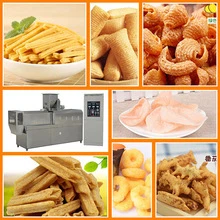
Puff snacks processing line is device designed to convert a broad range of raw materials into various textures, shapes, and flavors of snacks using the puffed snack making process. The puff snack making process involves exposing raw materials to high heat and pressure levels. The high levels of heat and pressure cause the food's starch molecules to undergo gelatinization, while the pressure causes the water in the food to rapidly expand when the pressure is released, forming pockets of air and steam in the snack. This process results in the creation of unique textures, structures, and flavors that give the snacks a crispy, crunchy, and airy feel.
Puff corn snack is a beloved treat all around the world. This light and airy snack is an excellent alternative to traditional potato chips, with a unique texture and flavor that sets it apart. Made from cornmeal and puffed up using high temperatures and pressure, puff corn is a satisfying and crunchy snack perfect for any occasion.
Core filled snack food is a type of snack food that has gained a lot of attention in recent years. These snacks are unique in that they have a soft, creamy filling that is surrounded by a crispy outer layer. The filling can be anything from chocolate to peanut butter to cream cheese, making them a versatile and delicious snack option.
Puffed food is a type of food that is processed by high temperature and high pressure to make grains, nuts or other ingredients swell. This process uses the water and oil in the ingredients, which are quickly released after heating to create an expansive effect. Extruded food production line is a equipment specially used for large-scale production of extruded food. It usually includes raw material handling, mixing, puffing, coating and packaging processes. First, the ingredients are precisely batched and treated, and then fed into an expanding machine, where they are expanded and shaped by high temperatures and pressures. Next, the puffed food is coated with sugar, chocolate or other seasonings by a coating machine.
Components of Non Fried Snacks Machine


Hopper
This is where the raw materials, such as flour, grains, or starch, are stored before being fed into the machine.
Mixer
A mixer is used to combine the ingredients uniformly. It can be a simple blending unit or a more sophisticated system with multiple stages for kneading and hydrating the dough.
Extruder
In machines that use extrusion, the extruder is a critical component. It consists of a barrel with a screw that conveys and cooks the dough under high pressure. The screw rotates to push the dough through a die, giving it its final shape.
Die
The die is attached to the end of the extruder and determines the cross-sectional shape of the extruded snack. Dies can be flat, shaped, or have multiple holes for creating different designs.
Cutting Unit
After extrusion, the continuous stream of snack is cut into individual pieces by a cutting unit, which may be a set of blades or a rotating wheel.
Oven or Dryer
The cut pieces are then conveyed into an oven or dryer where they are heated to remove moisture. This can be done through convection, microwave, or vacuum drying, among others.
Cooling System
Once dried or baked, the snacks need to be cooled before packaging to prevent condensation and maintain crispness. Cooling systems can be simple air tunnels or more advanced units with controlled temperature and airflow.
Coating Station
Some snacks may require a flavored coating or glaze. A coating station applies this coating evenly over the snacks. This could involve spraying, dipping, or tumbling the snacks in a coating mixture.
Seasoning Unit
Seasonings can be added to the snacks at various stages in the process. Some machines have integrated seasoning units that apply seasoning powder or salt crystals to the snacks as they pass by.
Control Panel
Modern non-fried snacks machines are equipped with a control panel that allows operators to adjust parameters such as temperature, speed, and feed rate to optimize the production process.To maintain cleanliness and comply with health standards, these systems remove any dust or particles generated during the processing of the snacks.
How to Choose Non Fried Snacks Machine
Determine Product Type
Decide on the kind of snacks you intend to produce. Different machines are suited for different types of snacks (e.g., puffed, baked, extruded).Assess your expected production volume to determine the size and capacity of the machine you need. Consider both daily and peak demand capacities.
Quality and Texture
Understand the desired texture and quality of your snacks. Different machines and processes yield varying results in terms of crunchiness, density, and flavor retention.
Raw Material Compatibility
Ensure that the machine can handle the type and form of raw materials you plan to use. Some machines may be more versatile than others in accommodating different ingredient compositions.Look for energy-efficient models to minimize operational costs. Consider the machine's power consumption and how it fits into your overall energy management strategy.
Safety Standards
Verify that the machine complies with relevant food safety and industry standards. Check for certifications such as HACCP, FDA, or CE marking.Research the latest technologies in non-fried snack production to leverage advancements in automation, precision, and efficiency.
Manufacturer Reputation and Support
Choose a manufacturer with a good reputation for quality and customer service. Good after-sales support is crucial for troubleshooting, repairs, and spare parts.Think about whether the machine can be easily upgraded or expanded to meet future increases in production volume or changes in product offerings.
Cost Analysis
Conduct a cost-benefit analysis, considering the initial investment, operating costs, maintenance expenses, and potential return on investment.By carefully considering these factors, you can select a non-fried snacks machine that aligns with your current and future business goals, while also ensuring optimal performance and profitability.
The Process of Making Non-Fried Snacks Usually Involves Several Stages
The raw materials such as flour, starches, fats, sugars, and other additives are measured and mixed according to the recipe. The mixture is often blended to achieve a homogenous consistency.The mixed ingredients are fed into an extruder, which consists of a screw that moves the material forward through a heated barrel. As the mixture is extruded, it is subjected to high pressure and heat, cooking the ingredients. The temperature and pressure are carefully controlled to ensure the desired texture and taste.
Once the mixture has been extruded, it emerges from the extruder in a continuous stream. A cutting unit is used to divide the stream into individual snack pieces of the desired length.Depending on the type of snack being produced, the extruded dough may be passed through dies that give it a specific shape, such as pellets, sticks, or shapes.
The cut or formed snacks are conveyed into an oven or a dryer where they are cooked further to remove additional moisture and develop the desired texture. The drying process can be done using convection, microwave, hot air, or vacuum drying techniques.
After drying or baking, the snacks may be coated or sprayed with seasoning to enhance their flavor. This is done in a separate station where the snacks are tumbled with seasoning powder or liquid.
The seasoned snacks are then passed through a cooling system to lower their temperature. This helps to set the seasoning and prevent any condensation from forming on the snacks, which could affect their crispness.
Once cooled, the snacks are ready to be packaged. They are transferred to a packaging machine where they are filled into bags, sealed, and labeled. Proper packaging is essential to maintain the freshness and shelf life of the snacks.
Throughout the production process, quality control checks are performed to ensure that the snacks meet the required standards for appearance, texture, taste, and safety.Any waste generated during production, including excess dough or broken snacks, should be managed appropriately to minimize waste and ensure compliance with environmental regulations.
How to Maintain Non Fried Snacks Machine
Regular Inspections
Conduct daily inspections to check for any signs of wear, damage, or unusual noises. Pay special attention to moving parts, belts, and seals.Perform routine safety checks to ensure that all guards are in place, emergency stops function correctly, and there are no exposed electrical components.
Cleaning
After each use, clean the machine thoroughly to prevent the buildup of residue, which can lead to contamination and reduced performance. Use appropriate cleaning agents and methods recommended by the manufacturer.
Lubrication
Keep all moving parts well-lubricated according to the manufacturer's guidelines. This reduces friction, minimizes wear, and ensures smooth operation.
Calibration
Regularly calibrate the machine to ensure accuracy in cutting, shaping, and seasoning. This maintains product consistency and quality.Replace worn or damaged components promptly. Using parts beyond their lifespan can lead to breakdowns and affect the final product's quality.
Preventative Maintenance Schedule
Establish a preventative maintenance schedule based on the manufacturer's recommendations. This includes regular servicing and checks of critical components like the heating elements, extruder screw, and cutting blades.
Training
Ensure that operators are trained in proper machine handling, cleaning, and basic maintenance tasks. Proper operation can significantly extend the machine's lifespan.Refer to the machine's troubleshooting guides when issues arise. Addressing problems early can prevent larger, more expensive repairs.

We Are Mingde Machinery Co.Ltd(Reputation&Ethics)We focus on developing Twin&Single Food Extrusion technology to satisfy two industries' needs(including food & feed) and help to realize our customers' wishes what are Cost-Effective Quality-Stable Service-Fast Mingde has grown productively based on two core competence.Presence of the right technology: Mingde technology was sought to create extrusion solutions from locals that can be integrated with factory owners and empower them to develop customized products from scratch. Our extrusion technology help in easy integration and maintenance at a low cost, and also we have formed a powerful technical support system for customers.

FAQ
Q: How does a non-fried snacks machine work?
Q: What types of snacks can be made with a non-fried snacks machine?
Q: Are non-fried snacks healthier than fried snacks?
Q: What are the common maintenance tasks for a non-fried snacks machine?
Q: How long do non-fried snacks machines last if properly maintained?
Q: What safety measures should be taken when operating a non-fried snacks machine?
Q: How much do non-fried snacks machines cost?
Q: What is the process of vacuum frying?
Q: Can cooking bags be used in air fryer?
Q: What is the difference between an air fryer and an oven?
Q: What is extrusion of puffed snacks?
Q: What are directly expanded extruded snacks?
Q: What are the advantages of extruded snacks?
Q: What are the ingredients in extruded snacks?
Q: Are extruded snacks baked?
Q: What is the difference between hot and cold extruding?
Q: How does extrusion affect food quality?
Q: What is the role of extruder in snack processing?
Q: What are the disadvantages of extrusion in food processing?
Q: Does an air fryer heat up the kitchen?
As one of the leading non fried snacks machine manufacturers and suppliers in China, we warmly welcome you to buy durable non fried snacks machine at competitive price from our factory. Good service and quality products are available.
Corn Flake Making Machine, Corn Puff Food Production Line, Maize Snacks Machine