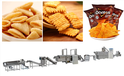
Artificial rice has gained popularity in recent years due to its potential to address food security issues and offer nutritional benefits. In this blog post, we will explore how to optimize an artificial rice production line for extraction, focusing on key components such as the Artificial Rice Production Line, Re-produced Extruded Rice Processing Machine, and Twin Screw Artificial Rice Processing Line.
1. Understanding the Artificial Rice Production Process
The production of artificial rice typically involves several steps. First, raw materials such as grains, legumes, and vitamins are selected and mixed. Then, the mixture is processed through an extrusion process using a Re-produced Extruded Rice Processing Machine or a Twin Screw Artificial Rice Processing Line. The extrusion process shapes the mixture into rice-like grains and cooks it at the same time. Finally, the artificial rice is extracted and packaged.
2. Importance of Optimization
Optimizing the artificial rice production line for extraction is crucial for several reasons. Firstly, it ensures efficient production, reducing production time and costs. Secondly, it improves the quality of the artificial rice, making it more appealing to consumers. Thirdly, it helps to conserve resources by minimizing waste and energy consumption.


3. Key Areas for Optimization
(a) Raw Material Selection
The choice of raw materials can significantly impact the quality of the artificial rice. Selecting high-quality grains, legumes, and vitamins that are rich in nutrients and have good extrusion properties is essential. Additionally, considering the source and sustainability of the raw materials can contribute to a more environmentally friendly production process.
(b) Extrusion Process
The extrusion process is a critical step in artificial rice production. Optimizing the extrusion parameters such as temperature, pressure, and screw speed can improve the texture, appearance, and nutritional value of the artificial rice. For example, adjusting the temperature can affect the degree of gelatinization of the starch, while varying the pressure can influence the density and shape of the grains.
(c) Equipment Maintenance
Regular maintenance of the Artificial Rice Production Line, Re-produced Extruded Rice Processing Machine, and Twin Screw Artificial Rice Processing Line is essential for ensuring smooth operation and optimal performance. This includes cleaning the equipment, checking for wear and tear, and replacing parts as needed. Proper maintenance can also extend the lifespan of the equipment and reduce downtime.
(d) Quality Control
Implementing a strict quality control system is crucial for ensuring the consistency and quality of the artificial rice. This includes monitoring the raw materials, extrusion process, and final product for parameters such as moisture content, size, shape, and nutritional value. Any deviations from the desired specifications should be addressed promptly to prevent batch rejections.


4. Advanced Technologies for Optimization
(a) Automation
Automating the artificial rice production line can improve efficiency, reduce labor costs, and ensure consistent quality. Automated systems can control the extrusion process, monitor quality parameters, and perform tasks such as packaging and labeling. Additionally, advanced sensors and control systems can detect and correct any deviations in real-time, minimizing waste and improving productivity.
(b) Process Optimization Software
Process optimization software can be used to analyze and optimize the artificial rice production process. This software can simulate different extrusion parameters and predict the resulting quality of the artificial rice. By using this software, producers can identify the optimal process settings for maximum efficiency and quality.
(c) Sustainable Production
Incorporating sustainable practices into the artificial rice production line can help to reduce the environmental impact and improve the sustainability of the product. This can include using renewable energy sources, reducing waste, and recycling materials. Additionally, choosing raw materials that are sourced sustainably can enhance the brand image and appeal to environmentally conscious consumers.
5. Conclusion
Optimizing an artificial rice production line for extraction is essential for ensuring efficient production, high-quality products, and sustainable practices. By focusing on key areas such as raw material selection, extrusion process, equipment maintenance, and quality control, and incorporating advanced technologies such as automation and process optimization software, producers can improve the performance and competitiveness of their artificial rice production lines. Additionally, adopting sustainable practices can help to address environmental concerns and meet the growing demand for sustainable food products.