How to Choose Pet Food in 2026

In 2026, pet food is no longer just about "filling the stomach"; it has fully entered the era of "precision nutrition" and "human-like diet". If you are choosing food for your furry friend or want to understand the current market trends, the following guide can help you quickly avoid pitfalls and find the most suitable option.

Core Feeding Trends in 2026

Nowadays, pet owners are more inclined to treat their pets as "family members", and this mentality has directly changed the form of pet food, which is specifically reflected in the following three major trends:
Freshness" as the Priority
The market share of low-temperature baked food, fresh food (refrigerated/room-temperature packaged) and freeze-dried food continues to rise, while the traditional "high-temperature extruded food" is gradually moving towards the mid-to-low-end market.
Precision in Functionality
Nowadays, pet food is divided very meticulously. In addition to the basic classification of puppy/kitten and adult stages, there are also specific formulas for "sensitive stomachs", "preventing black chins" (exclusive to cats), "joint care" (exclusive to large dogs) and even "relieving anxiety".
Transparent Traceability
Consumers are paying more and more attention to the ingredient list of pet food. "Meat meal" in raw materials is gradually being replaced by "fresh meat", and brands will take the initiative to mark the origin of raw materials and third-party test reports to make consumers more assured.
Comparison of Common Pet Main Food Categories
When choosing pet main food, the processing technology often determines the nutrient retention, palatability and cost performance.
The following is a detailed comparison of four common types of pet main food:
1.Extruded Food

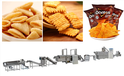
This type of pet food is produced through a high-temperature, high-pressure cooking process known as extrusion. This method is highly efficient and allows for the mass production of kibble.
Advantages:
Highest Cost Performance: Extruded food generally offers the most economical option for pet owners, providing complete and balanced nutrition at a lower price point compared to other types of food.
Convenient Storage: The dry nature of extruded kibble makes it exceptionally easy to store, transport, and portion. It has a long shelf life and does not require refrigeration.
Dental Benefits: The hardness and texture of the kibble provide a mild abrasive action as the pet chews, which can help to mechanically clean teeth and reduce the buildup of tartar.
Disadvantages:
Nutrient Loss: The intense heat and pressure involved in the extrusion process can lead to the degradation of some sensitive nutrients, such as certain vitamins and natural enzymes.
Low Moisture Content: Extruded foods are characterized by an extremely low water content (typically around 10%), meaning they provide less hydration compared to wet or fresh foods.
Average Palatability: While palatability enhancers are often added, the base ingredient profile and processing method can result in a flavor and texture that is generally less appealing to some pets than minimally processed or fresh options.
2.Baked Food

Baked pet food is crafted using a low-temperature slow-baking process, typically conducted at around 90°C. This gentle cooking method sets it apart from high-heat extrusion, offering a distinct set of characteristics that appeal to health-conscious pet owners.
Advantages:
Dry and Non-Greasy Texture: The baking process produces kibble that is dry to the touch and free from the greasy residue often found on extruded foods. This not only makes for a cleaner feeding experience but can also be easier on a pet's digestive system.
Nutrient Retention: The relatively low, consistent heat helps to preserve more of the natural nutrients in the ingredients. Sensitive vitamins, enzymes, and amino acids that might be degraded by extreme high temperatures are better retained, resulting in a more wholesome final product.
Good Palatability: The slow-baking method often enhances the natural flavors and aromas of the ingredients. This leads to a highly palatable food with an appealing texture that many pets find very enjoyable.
Disadvantages:
Higher Price Point: The longer, more delicate manufacturing process is often less efficient than high-speed extrusion, making baked foods more expensive to produce and, consequently, more costly for the consumer.
Relatively Short Shelf Life: Because baked foods are processed more gently and may contain higher levels of intact fats and oils without the same degree of artificial preservation, they can be more susceptible to oxidation and spoilage, resulting in a shorter shelf life once the bag is opened.
3.Freeze-dried Food

Freeze-Dried Food
Freeze-dried pet food is created through an advanced vacuum freeze-drying process that removes moisture from fresh ingredients while preserving their cellular structure. This technique represents one of the most minimally processed options available in the pet food market today.
Advantages:
Exceptional Nutrient Retention: The freeze-drying process excels at preserving the nutritional integrity of raw ingredients. Protein structures remain largely intact, and heat-sensitive vitamins, enzymes, and amino acids are protected from degradation. When rehydrated with water, the food closely resembles fresh raw meat in both texture and nutritional profile, offering pets a diet that mirrors what their ancestors would have consumed in the wild.
Concentrated Nutrition: Without water content, freeze-dried food delivers a highly concentrated source of protein and nutrients in a lightweight, shelf-stable form that requires no refrigeration until rehydration.
Disadvantages:
Premium Pricing: The sophisticated equipment, extended processing time, and energy requirements of freeze-drying make it one of the most expensive pet food manufacturing methods. This cost is reflected in the retail price, placing it at the premium end of the market.
High Phosphorus Levels: Due to the concentration of natural meat content, freeze-dried foods typically contain elevated phosphorus levels. While phosphorus is an essential mineral, excessive amounts can be problematic for pets with kidney issues or certain health conditions. Pet owners should carefully monitor the calcium-to-phosphorus ratio and consult veterinarians when feeding these products to sensitive animals.
4.Fresh/Wet Food

Fresh/Wet Food
Fresh or wet pet food is produced through pasteurization or canning, a process that cooks ingredients within a sealed container to ensure safety and extended shelf life without artificial preservatives.
Advantages:
High Moisture Content: With approximately 75% water content, these foods closely align with nature, providing hydration in a form that mirrors what pets would consume in the wild. This supports urinary tract health, kidney function, and overall hydration, especially beneficial for cats with naturally low thirst drives.
Easy Digestibility: The gentle cooking process and soft texture make fresh and wet foods exceptionally easy to digest, ideal for puppies and kittens, senior pets, animals with dental issues, or those recovering from illness. The high moisture content also aids in nutrient absorption and promotes gentle digestion.
Disadvantages:
Premium Cost: These products are significantly more expensive than dry alternatives due to high-quality ingredients, heavy packaging, and energy-intensive manufacturing processes.
Strict Storage Requirements: Once opened, fresh and wet foods cannot be left at room temperature. Uneaten portions must be refrigerated immediately and consumed within 2-3 days, making them less convenient for free-feeding. Any food left in the bowl beyond one hour should be discarded to prevent bacterial growth.