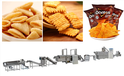
Corn flakes are a beloved breakfast cereal that has been around since the late 19th century when John Harvey Kellogg invented them. The extrusion process is a popular method used in the food industry to create various products, including breakfast cereals like cornflakes. Here is a step-by-step breakdown of how cornflakes are made using extrusion:
1 Mixing the ingredients: The first step in making cornflakes is to mix the ingredients. The main ingredients are cornmeal, sugar, and salt. Additional ingredients such as malt extract and vitamins may also be added. The cornmeal used in the process is usually made from field corn, a variety of corn used primarily for animal feed. The corn is first cleaned and then ground into a fine powder. The cornmeal is then mixed with sugar and salt to create a uniform mixture.
2 Adding water: Once the dry ingredients are mixed, water is added to the mixture to create a slurry. The amount of water added will depend on the desired consistency of the slurry and the desired characteristics of the finished product. The slurry is then thoroughly mixed to ensure that all of the ingredients are evenly distributed.

3 Extrusion: The slurry is then fed into an extruder machine. The extruder machine consists of a rotating screw that moves the slurry through a heated barrel. The slurry is subjected to high temperatures and pressure, causing the mixture to expand and puff up. This creates the characteristic shape of cornflakes. Temperature and pressure are carefully controlled in the extruder machine to make sure the corn flakes are cooked right and have the right texture.
4 Cutting and shaping: As the extruded corn flakes emerge from the extruder machine, they are cut into the desired length and shape. The most common shape for corn flakes is a flat oval shape, but other shapes can be created by using different cutting dies. The length of the corn flakes can also be adjusted depending on the desired size of the finished product.
5 Drying: After the corn flakes are cut, they are then dried using hot air. The drying process removes any remaining moisture from the corn flakes, making them crispy and crunchy. The temperature and duration of the drying process will depend on the desired texture and moisture content of the finished product. This step is critical to the quality of the corn flakes, as insufficient drying can result in soggy and unappetizing cereal.
6Toasting: Finally, the corn flakes are toasted to give them their characteristic golden color and to enhance their flavor. The toasting process is typically done using a continuous oven that heats the corn flakes as they move through on a conveyor belt. The temperature and duration of the toasting process can be adjusted to achieve the desired color and flavor. This step is also critical to the quality of the corn flakes, as over-toasting can result in burnt and bitter cereal.

7 Packaging: The finished cornflakes are then packaged and sent to supermarkets and stores worldwide. Corn flakes are usually packed by putting them in a box or bag and sealing it so that moisture and other things can't get in. The packaging may also include additional information such as the nutritional content of the cereal and serving suggestions.
In the end, using extrusion to make corn flakes is a complicated and precise process that requires careful control of the temperature, pressure, and amount of moisture. The use of extrusion has enabled the mass production of cornflakes, making them an affordable and convenient breakfast cereal for people worldwide. https://www.snackfoodmachinery.com/search/corn%20flake.html